Jerusalem weather by month swings between two very different worlds: cool, wet winters at 800 meters of elevation, with the rare dusting of snow, and long, hot, bone-dry summers under an unrelenting Mediterranean sun. There is almost no in-between — the rain switches off in spring and does not return until late autumn. Knowing the temperatures, the rainfall, the sunshine, and what to pack for each month is the difference between a comfortable trip and a sweaty or soggy one.
This Jerusalem weather by month guide gives you the numbers month by month, the practical packing call for each, and how the climate plays out for sightseeing and day trips. Figures are long-term averages, so any single year will vary. Pair this with our best time to visit Jerusalem guide for the crowd-and-price side of timing and our what to pack for Jerusalem list.
Jerusalem’s Climate in Brief
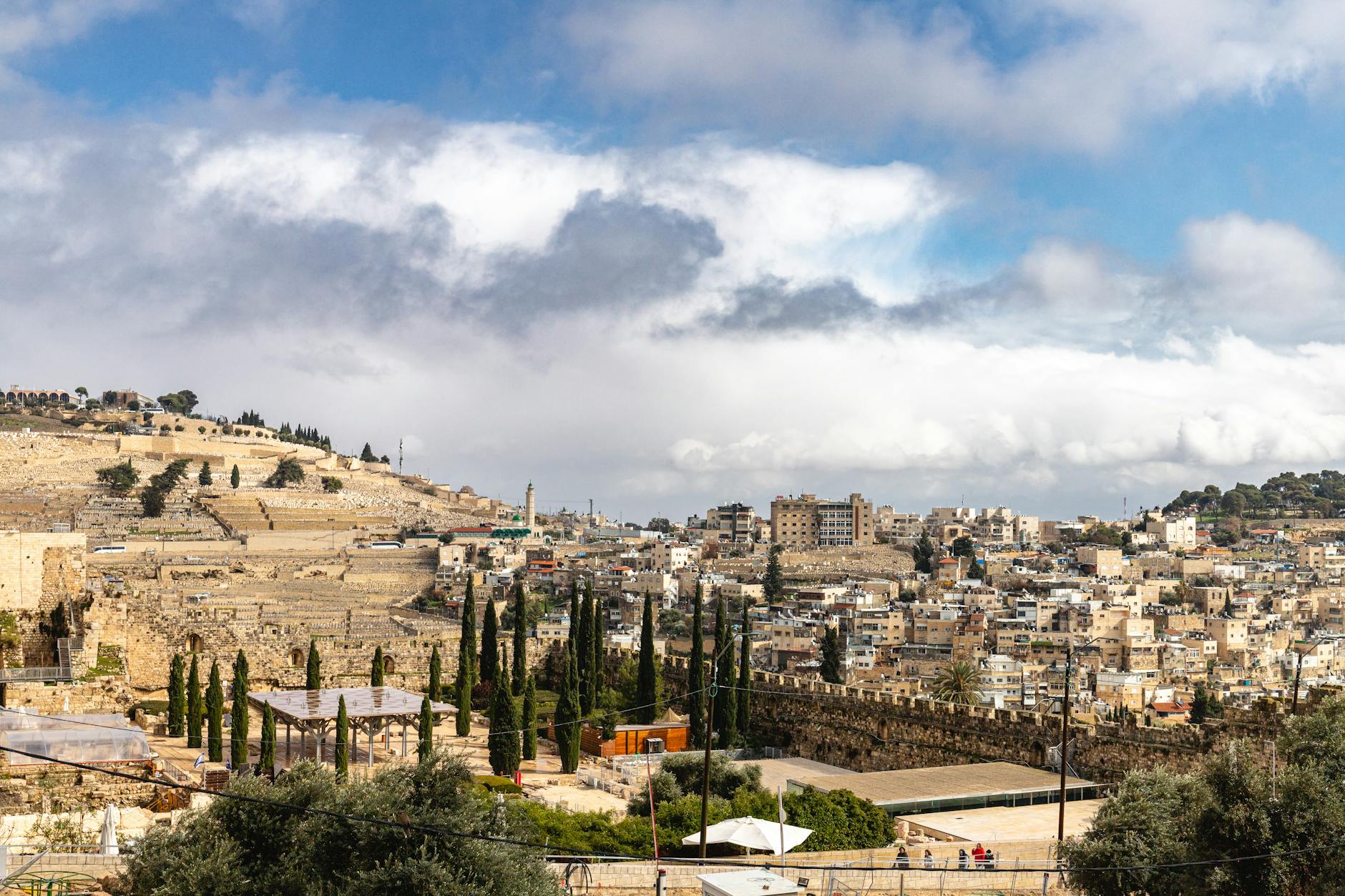
Jerusalem has a Mediterranean climate shaped by two factors that set it apart from the coast: its altitude of roughly 800 meters and its inland, hill-country position. The result is a city that is several degrees cooler than Tel Aviv, with crisp evenings even in summer, and a sharp split into two seasons rather than four. Because the air is dry inland, the difference between a sun-baked square and a shaded alley can be dramatic, and the same day can swing from a hot afternoon to a sweater-worthy night. That daily range is the single most useful thing to plan your clothing around.
- Dry season (May–October): essentially no rain, long sunny days, temperatures climbing through spring to a July–August peak before easing in October. Humidity stays low, which makes the heat more bearable than the muggy coast.
- Wet season (November–April): almost all the year’s rain falls now, in spells rather than constant drizzle, with the heaviest months from December to March. It is cool, occasionally cold at night, and snow is possible in midwinter.
Month-by-Month Averages
Use this table as your at-a-glance reference; the sections below add the context and packing advice that the numbers alone do not give you.
| Month | Avg high | Avg low | Rainfall | Sunshine/day |
|---|---|---|---|---|
| January | 12°C / 54°F | 5°C / 41°F | ~135 mm | ~6 hrs |
| February | 13°C / 55°F | 6°C / 43°F | ~125 mm | ~7 hrs |
| March | 16°C / 61°F | 8°C / 46°F | ~75 mm | ~8 hrs |
| April | 21°C / 70°F | 12°C / 54°F | ~25 mm | ~10 hrs |
| May | 26°C / 79°F | 15°C / 59°F | ~3 mm | ~11 hrs |
| June | 29°C / 84°F | 17°C / 63°F | ~0 mm | ~12 hrs |
| July | 31°C / 88°F | 19°C / 66°F | 0 mm | ~13 hrs |
| August | 31°C / 88°F | 19°C / 66°F | 0 mm | ~12 hrs |
| September | 29°C / 84°F | 17°C / 63°F | ~1 mm | ~11 hrs |
| October | 26°C / 79°F | 14°C / 57°F | ~10 mm | ~9 hrs |
| November | 20°C / 68°F | 11°C / 52°F | ~50 mm | ~7 hrs |
| December | 14°C / 57°F | 7°C / 45°F | ~110 mm | ~6 hrs |
A couple of patterns jump out of the numbers. First, rainfall is wildly seasonal: the four months from December to March deliver the large majority of the year’s total, while June through September are essentially bone dry. Second, the gap between day and night temperatures is large year-round — often 10 to 12 degrees Celsius — which is why “what is the temperature in Jerusalem” has no single answer and layering matters in every season. Third, sunshine hours roughly double from the depths of winter to midsummer, stretching your sightseeing days considerably in the warmer months.
Winter: December, January, February
Midwinter is Jerusalem’s cool, wet season. Daytime highs hover around 12–14°C and nights can dip close to freezing, while the bulk of the year’s rain arrives in heavy bursts between weather fronts, often with bright spells in between. January is typically the wettest and coldest month. Snow is the wild card: most winters bring at most a day or two of it, usually in January or February, and when it falls the Old City under white is unforgettable — though the city, unused to it, tends to pause for a day.
What to pack: a genuinely warm jacket, a scarf, and waterproof shoes or boots that grip on wet, polished stone, plus a compact umbrella or rain shell. Interiors are heated but old stone buildings hold the chill, so layers you can keep on indoors help. February eases slightly, with a touch more sun and marginally less rain than January.
Spring: March, April, May
Spring is a fast, lovely transition. March still carries some rain and cool air but greens the hills and brings out the red anemones and other wildflowers that carpet the countryside around the city. By April the rain is fading to the occasional shower, days reach a comfortable low twenties, and the landscape is at its best — which is also why April, overlapping with Passover and Easter, is the busiest tourist month. May is close to ideal: warm days in the mid-twenties, cool evenings, almost no rain, and long hours of sunshine, all before the real summer heat sets in. This is prime time for outdoor sites and the surrounding trails before they brown off for the summer.
What to pack: layers are the theme. A light jacket or sweater for cool mornings and evenings over short-sleeves for the day in April and May; add a light rain layer for March. By late spring you can leave the rain gear at home and start packing sun protection instead. Closed walking shoes remain non-negotiable on the uneven stone.
Summer: June, July, August
Summer is hot, dry, and bright, with July and August the peak at around 31°C by day. The saving grace is the low humidity and Jerusalem’s altitude: the air is far less oppressive than the humid coast, and nights cool into the high teens, making evenings genuinely pleasant. Rain is effectively zero from June through August, and sunshine runs twelve to thirteen hours a day. Occasionally a hot, dusty east wind (the sharav or sharkiya) pushes temperatures higher and the air hazier for a day or two.
The strategy is to work around midday. Sightsee early — the Old City is magical and quiet at 7am — pause indoors or over a long lunch through the hottest hours, and come back out in the late afternoon and evening for the markets and cafes. What to pack: lightweight, breathable, but still modest clothing for holy sites (shoulders and knees covered), a sun hat, strong sunscreen, sunglasses, and above all a refillable water bottle. Heat, not anything else, is the most common reason summer visitors run into trouble.
Autumn: September, October, November
Autumn reverses spring. September is still warm and summery but the edge comes off the heat; October is one of the most comfortable months of the entire year, with warm days, cool evenings, and only the first hints of returning rain. By November the wet season is properly back, days cool into the high teens to low twenties, and the first real rains arrive, though plenty of bright days remain. The light through these months is famously clear and golden, the haze of summer gone — a gift for photographers chasing the city walls at sunrise or the Mount of Olives panorama at sunset.
What to pack: for September and October, breathable day clothes with a light layer for the evening and continued sun protection. For November, shift back toward spring-style layering with a light jacket and a packable rain shell on standby. It is a forgiving stretch where you rarely need extremes of either warm or waterproof gear.

Day-Trip Weather: The Dead Sea and Desert
One thing that surprises visitors is how different the weather is just a short drive away. The Dead Sea and the surrounding Judean Desert sit around 400 meters below sea level — the lowest land on Earth — and run roughly 10–15°C hotter than Jerusalem at any time of year. In July and August, Dead Sea temperatures regularly push 38–42°C (100–108°F), which is why a float in the salty water is best timed for early morning or late afternoon, not midday. Even in winter, the Dead Sea, Ein Gedi, and Masada are pleasantly warm and sunny when Jerusalem is cool and wet, which makes them excellent cool-season day trips. Our day trips from Jerusalem guide covers the logistics, and the Dead Sea day trip guide goes deeper.
Dressing for the Weather and the Holy Sites
Jerusalem adds a wrinkle most destinations do not: whatever the weather, the major religious sites expect modest dress, meaning covered shoulders and knees for everyone and head coverings in certain places. This is easy in winter, when you are bundled up anyway, but it requires thought in a 31°C July. The trick is lightweight, breathable fabrics that still cover — loose long-sleeve linen, light trousers or a long skirt, and a scarf that doubles as a shoulder or head cover at the Western Wall, churches, or the Temple Mount. A packable layer also helps when you step from a hot plaza into a cool, stone church interior. Our guide to Jerusalem’s dress expectations details exactly what each site requires.
Frequently Asked Questions
What is Jerusalem’s weather like month by month?
Broadly, summers (June–August) average highs of about 29–31°C with no rain, and winters (December–February) average highs of about 12–14°C with most of the year’s rainfall. Spring and autumn are mild and pleasant transition seasons. Rain falls only between roughly November and April, while May through October stay dry and sunny.
When does it rain most in Jerusalem?
From December through March, with January typically the wettest month at around 135 mm. Rain tends to come in heavy bursts between fronts rather than as all-day drizzle, so even in winter you usually get bright spells. The dry season runs May to October, when meaningful rain is essentially nonexistent.
Does it snow in Jerusalem?
Yes, but rarely — most winters see at most one or two light snow events, usually in January or February, thanks to the city’s 800-meter elevation. Snow seldom lasts long, and the city, not built for it, tends to slow down for a day when it falls. Treat it as an occasional bonus rather than something to expect.
Is summer too hot for sightseeing?
It is manageable because the heat is dry, not humid, and evenings cool down. The key is timing: sightsee from early morning until about 10am and again from late afternoon into the evening, and rest somewhere cool through the midday peak. Carry water everywhere, wear a hat and sunscreen, and the summer heat becomes a non-issue.
What are the warmest and coldest months?
July and August are the warmest, both averaging highs around 31°C (88°F). January is the coldest, with average highs near 12°C (54°F) and nights around 5°C (41°F). The shoulder months of April–May and September–October sit comfortably in between and are the most pleasant for extended walking.
What should I pack for Jerusalem’s weather?
In summer: light, breathable, modest clothing, a hat, sunscreen, and a water bottle. In winter: a warm jacket, scarf, and waterproof shoes plus a rain layer. In spring and autumn: layers you can add or shed as mornings and evenings cool. For the full list, see our what to pack for Jerusalem guide.
The Bottom Line
Understanding Jerusalem weather by month lets you pack correctly and plan your days around the conditions. From May to October you are warm and dry and should build your schedule around the midday heat; from November to April you will want layers and rain gear and can enjoy quieter, cooler sites. Whichever month you pick, remember the weekly Shabbat rhythm and the holiday calendar matter as much as the forecast. Plan further with our best time to visit Jerusalem guide, our packing list, and our Jerusalem travel tips.